
American Accounting Association/J. Michael and Mary Anne Cook/Deloitte Foundation Prize
The American Accounting Association/J. Michael and Mary Anne Cook/Deloitte Foundation Prize is the foremost recognition of an individual who consistently demonstrates the attributes of a superior teacher in the discipline of accounting. The Prize will serve to recognize, inspire, and motivate members to achieve the status of a superior teacher.
Each year up to three prizes can be made in the categories of graduate, undergraduate, and two-year accounting degree programs. The prize will consist of a cash award, a silver medallion, and a certificate awarded at the Annual Meeting. The cash portion of the prize is $30,500 in 2026.
To view all awards, visit our Awards Page
Award Recipients:
Cook Prize Archives
Click below for more information regarding the American Accounting Association/J. Michael and Mary Anne Cook/Deloitte Foundation Prize.
2026 Award Recipients
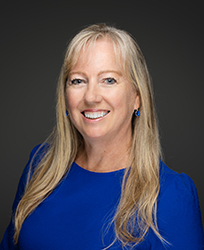 DeAnna
Martin
DeAnna
Martin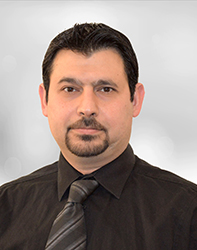 Hussein
Issa
Hussein
Issa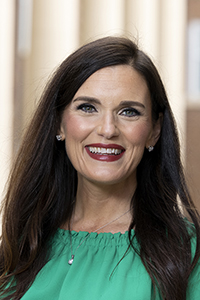 Tina
Carpenter
Tina
Carpenter2026 Two-Year College
DeAnna Martin – Santiago Canyon College
2026 Undergraduate
Hussein Issa – Rutgers University
2026 Graduate
Tina Carpenter – University of Georgia
2025 Award Recipients
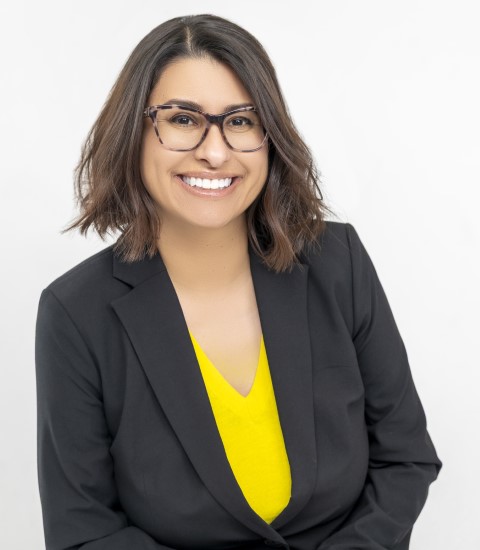 Teresa
Thompson
Teresa
Thompson  Karen
Kitching
Karen
Kitching Kerry
Inger
Kerry
Inger2025 Two-Year College
Teresa Thompson - West Valley College
2025 Undergraduate
Karen Kitching - Georgetown University
2025 Graduate
Kerry Inger - Auburn University
2024 Award Recipients
 Carolyn
Christesen
Carolyn
Christesen Jennifer
M. Cainas
Jennifer
M. Cainas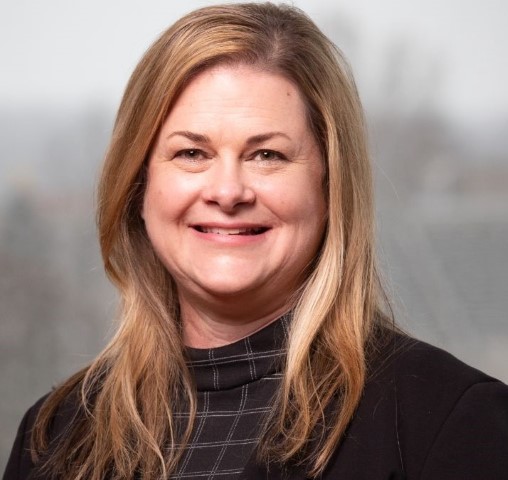 Kimberly
Swanson Church
Kimberly
Swanson Church2024 Two-Year College
Carolyn Christesen - SUNY Westchester Community College
2024 Undergraduate
Jennifer M. Cainas - University of South Florida
2024 Graduate
Kimberly Swanson Church - Missouri State University
2023 Award Recipients
 Larry
Stephens
Larry
Stephens.jpeg) Wayne
Thomas
Wayne
Thomas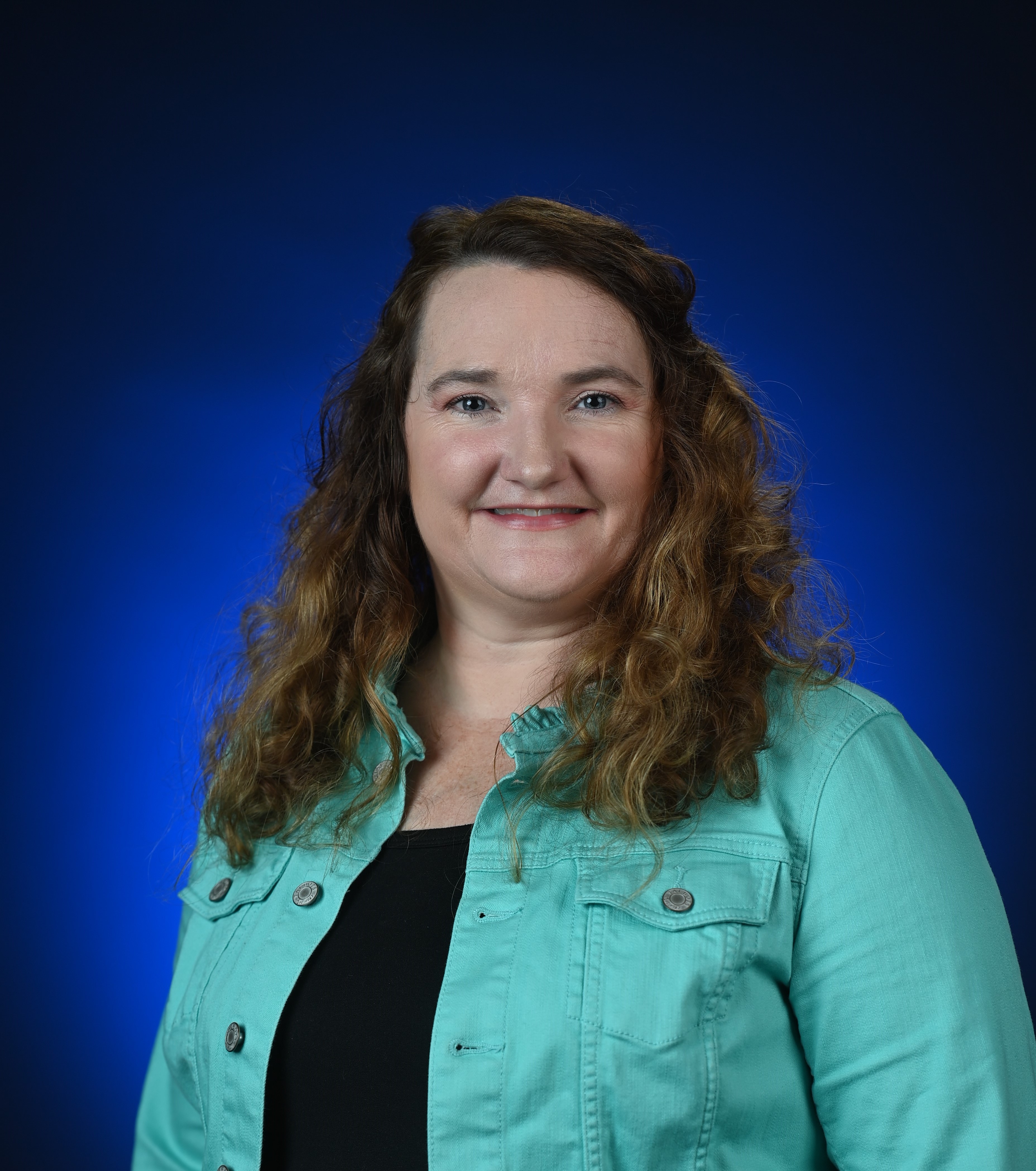 Christine
Cheng
Christine
Cheng2023 Two-Year College
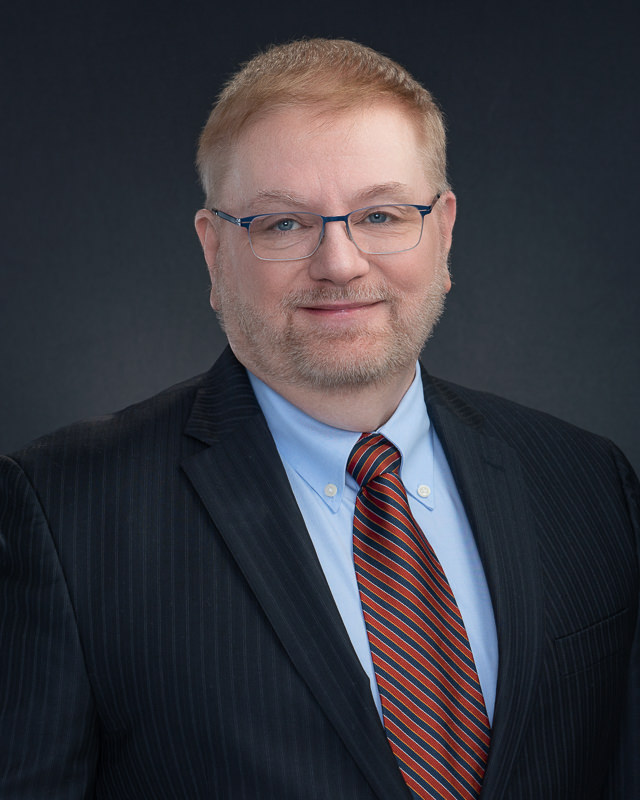
Larry G. Stephens – Austin Community College
My teaching philosophy is based on two major objectives: first of all, I view myself as a resource for my students to impart knowledge and wisdom; what I consider to be the technical skills of what I teach. I will often challenge my students to change their paradigm from being so heavily focused on a grade to define their success, to thinking about it in terms of being a lifelong learner and the acquisition of knowledge. I point out to my students that part of being a professional is always learning new things. A favorite quote that I use with my students is “Life doesn't come with a solutions manual.” Accordingly, I am always learning new things from both my colleagues and my students and thus my classes are always evolving and changing in an effort to improve the experience for my students.
Secondly, is to be a role model for my students. Not only to teach them the required technical skills, but what it means to be a professional: the work ethic, professional behaviors, communication skills, teamwork and interpersonal skills. I also try to include in my courses my experiences of what it was like to work in the profession with over 20 years of experience as a professional accountant. I hope to bring to life more than just the rules in the textbook, but to create a holistic view of an accounting professional in the modern workforce. I want my students to be well-rounded, great accountants with a passion for what they do. Getting students involved in professional associations is one way that I try to spark that passion in accounting.
2023 Undergraduate
Wayne Thomas – University of Oklahoma
My love for teaching is the reason I chose to be an accounting professor, and it's this aspect of my profession that I feel makes the biggest difference in the lives of others. In my responses below, I reflect on the materials I have used in class that symbolize my teaching philosophy—to engage students! When students are engaged, they are more likely to succeed. I am committed to student success.
With every assignment, every class, every office hour, and every interaction with a student, I challenge myself with fundamental questions: How can I bring the material alive to students? How can I make the complex seem simple? How can I help nonaccounting majors see the importance of accounting? How can I motivate the best students to pursue a major in accounting? How can I instill a passion for learning? How can I make learning exciting? I have seen a commitment to this approach work. It’s not possible to capture fully in words the wonderful conversations I have had with students many years after taking my class.
Another important aspect of my teaching philosophy is to share all of my ideas and materials with other instructors. I have been fortunate to present my teaching materials at numerous conferences, workshops, webinars, and doctoral consortia over the years. This has led to many insightful conversations and exchanges of ideas. I am happy to share all of my ideas and teaching materials with any instructor that asks.
2023 Graduate
Christine Cheng – University of Mississippi
I teach students with amazing potential. My goal is to motivate students to harness their potential, both in the classroom and after graduation. To realize my goal, I focus on three principles when designing my course and developing learning experiences.
First, I believe that students’ efforts correspond with their interest. The beauty of teaching tax and data analytics is that there are unlimited opportunities to create learning experiences that spark students’ interest. For example, in my graduate tax class I developed a project where students investigate how profitable firms can pay no tax. For my spring undergraduate individual tax class, I am developing a series of data analytics projects that have students explore how the Federal tax rules they learn affect them personally, both now, and in the future. My students frequently remark that they look forward to these learning experiences, because they want to know more.
Second, I recognize that students’ potential is unique. Since I want students to harness their unique potential, I cultivate my classroom environment and develop learning experiences to provide students with a variety of ways to contribute. I have found that when students have opportunities to contribute in ways that take advantage of their unique potential, they are more likely to expand their potential beyond their current capabilities.
Finally, I realize that providing students with specific, formative, timely feedback is essential to support students as they work toward harnessing their unique potential and expanding beyond their current capabilities. My students consistently remark that they appreciate the effort, detail, and care I provide when reviewing their assignments.
2022 Award Recipients
2022 Two-Year College
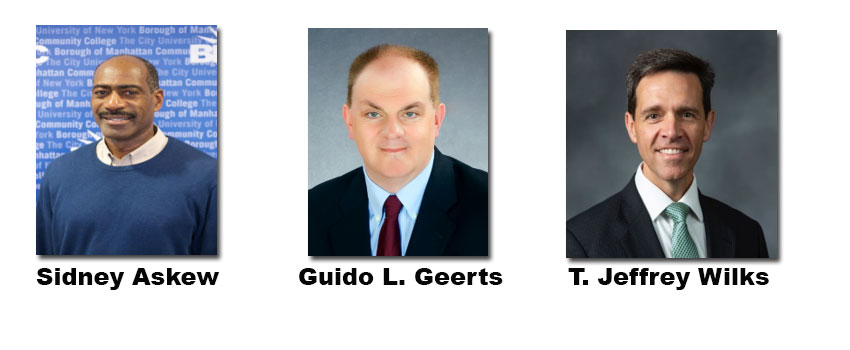
Sidney Askew - Borough of Manhattan Community College – CUNY
"My teaching philosophy is based on four primary principles: Diversity, Challenge, Innovation and Collaboration. I have used these values as guiding principles to provide students with a curriculum that challenges and supports their academic growth and career goals. I aim to provide a curriculum that reflects the current accounting profession and business environment. I use teaching strategies which link accounting principles with student career interests and the abundance of career opportunities within the accounting profession.”
2022 Undergraduate
Guido L. Geerts - University of Delaware
“I teach accounting information systems and data analytics to accounting students. Important components of my teaching philosophy include the following:
- Teaching success starts with subject area knowledge. I continually enhance my accounting expertise through research (rigor) and practice (relevance).
- Another important key to teaching success is transforming your knowledge into an accessible format for your students. Therefore, I strongly focus on designing effective pedagogies and using multiple pedagogies for the same topic, given that students have different learning styles.
- I regularly enhance my knowledge of technology and its impact on the accounting profession. I take a lot of pride in gaining a deep understanding (depth) of a wide range of emerging technologies (width).
- Class management is a crucial but often overlooked part of teaching. One of my aims is to create a positive and safe learning environment.”
2022 Graduate
T. Jeffrey Wilks - Brigham Young University
“My job as a teacher is to inspire learning in my students. To do this, I must demonstrate passion for my topic, mastery of the material, and a willingness to continue learning myself. I must regularly risk failure, venture into unknown territory, and accept pointed feedback so that my students will do the same. I must make my students uncomfortable in their present knowledge, something I think is best accomplished by requiring them to make arguments, write extensively, and challenge their own beliefs and biases. By doing these things, I have seen students raise their own expectations of how hard they can actually work. I have seen students come alive as they seek knowledge not for grades, money, or job placement, but because that knowledge will help them serve others better in their profession, their communities, and their families. If I am doing my job as a teacher, my students graduate believing they can learn anything they need to and with a desire to use that knowledge to help others.”
2021 Award Recipients
Two-Year College
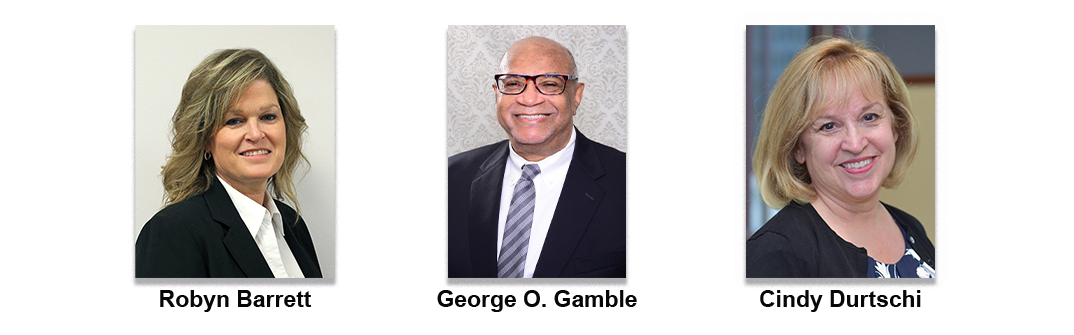
Robyn Barrett - St. Louis Community College
"The instructors/professors I remember are those who discussed how the class would benefit me in the future. They brought real world, current and relative examples to class. My teaching format is centered on this goal. I bring in real-life examples of current events which can stem from news events dealing with fraud, tax or the Stock Market. I share current events, such as Fortune Magazine’s “Top Companies to Work For” and Kiplinger’s “Best College Majors.” Engaging students on all levels of Accounting is an important goal for me. My greatest joy comes from seeing a student become interested in learning, while having fun."
Undergraduate
George O. Gamble - University of Houston
"Underlying my teaching philosophy is the belief that each person has worth and potential. If handled properly, every human mind can be shaped into a powerful and productive tool that is useful to its owner and to society. I tell students that every new concept that they learn is a building block toward success in their chosen careers. Even a topic that seems mundane can be become interesting and significant if it is perceived as part of a bigger picture and that they must remember that “grades will get you in the door, but it is knowledge that will provide you with professional sustainability.” Furthermore, knowledge, coupled with high ethical and moral standards creates unlimited professional opportunities."
Graduate
Cindy Durtschi - DePaul University
"My approach to teaching comes from an attempt to solve two problems. First, how to keep students interested without a showman’s confidence. Second, realizing I was not effectively teaching students because their knowledge failed them when confronted with a real scenario. For example, I noticed my graduate forensic accounting students could correctly list red flags of fraud on an exam yet were unable to recognize those same fraud indicators if they were embedded into accounting transactions or financial statements."
"My focus on the student experience has led me to implement a problem-based learning methodology (PBL) in my classes to place students in scenarios with some, but not all the necessary information; requiring them to employ concepts learned in class, their own research, and ingenuity to problem solve."
2020 Award Recipients
Two-Year College
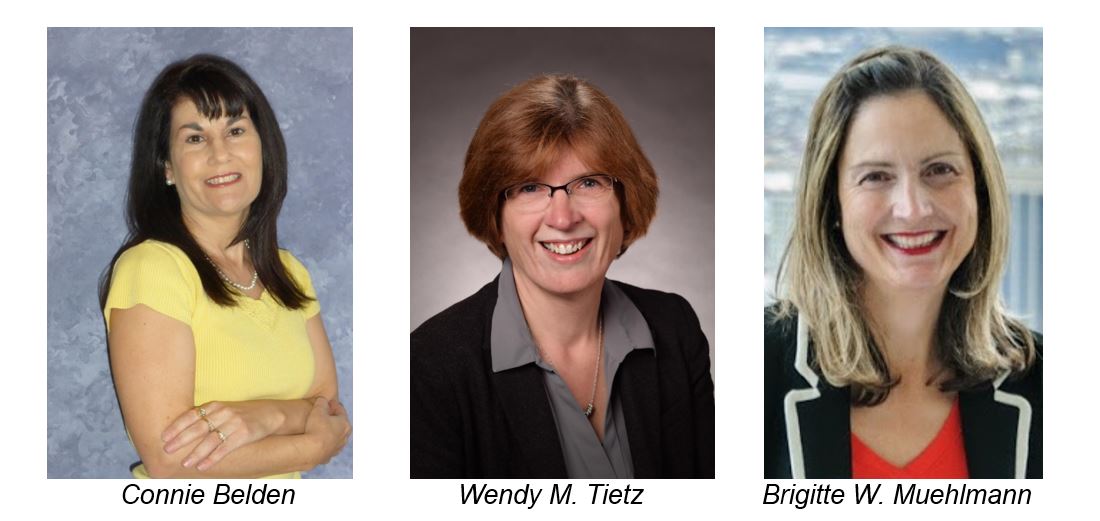
Connie Belden - Butler Community College
“As a teacher, I feel two things are important: 1) being a nurturer to
increase the learner’s capacity to engage, including being supportive during
difficult times, and 2) to prepare my students for being successful in the
future, which in most cases is continuing their education and entering the
accounting field.
I strive each day to be an instrument of change for my student’s by engaging
them in learning and doing what I can to have a positive supportive effect
on their lives."
Undergraduate
Wendy M. Tietz - Kent State University
"My philosophy of teaching is that pedagogy and the curriculum must be
current, flexible, and adaptive. First and foremost, the curriculum should
reflect the current accounting profession and business environment. I see my
job as helping to build a pipeline to the accounting profession. While I
make sure that I teach the fundamental principles of accounting, integrating
data analytics, emerging technologies, and real-life examples into the
course is critical to show students accounting as the multi-faceted
profession it is.
Pedagogy must be flexible and adaptive. For example, my students have a
choice of how to attend class—in person, live online, or viewing the
recording—the course delivery mode adapts to the students’ needs and
preferences.”
Graduate
Brigitte W. Muehlmann - Babson College
"I view accounting as a human-made system that provides trustworthy business
information for a prosperous society.
My pedagogical approach is the product of my understanding of the human mind
and the application of research in neuroscience in the classroom. Viewing
the mind as a network, it integrates new acquisitions best when novel
knowledge, be it theoretical or practical, passes through the attention
filter and connects with the existing knowledge network in my students’
minds, and involves positive emotions. Once connections are made, I aim for
retention in the long-term memory."
2019 Award Recipients
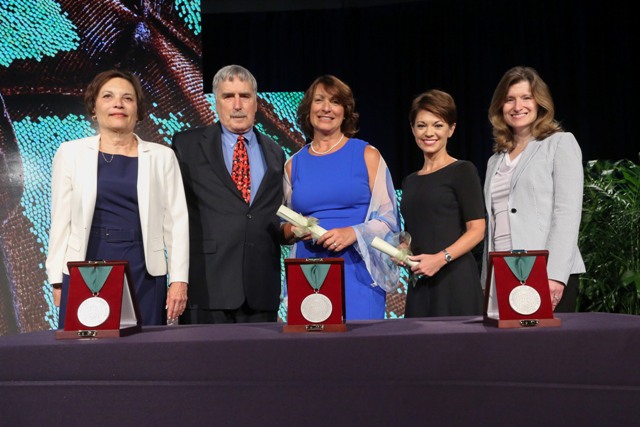
Presenter Mary Stone with award recipients William E. McCarthy, Margarita Maria Lenk, and Jill Mitchell, and Kathy Shoztic (Deloitte Foundation)
Two-Year College
Jill Mitchell - Northern Virginia Community College
“My teaching philosophy is based on three core values—opportunity,
professionalism, and honor. Using these values as guiding principles, I work
tirelessly to be a compassionate and energetic role model for my students to
excite them about careers in accounting, and to serve as a mentor to whom
they can always return for advice no matter where they are in their
professional journeys.
As a community college professor, I am a catalyst for transformative
learning experiences for my diverse students, as I strive to teach beyond
the outcomes. I hope to play a small part in my students’ educational and
personal development by creatively providing them with opportunities to
become independent learners, and successful and honorable professionals.”
Undergraduate
Margarita Maria Lenk - Colorado State University
“My goal is to equip my students with the professional accounting knowledge,
technical currency, critical thinking habits, multiple stakeholder
perspectives, and respectful, inclusive communication and teamwork skills so
that they have the confidence, enjoyment, and satisfaction in their
successful career journey to add value in an ever changing and challenging
financial world.
My instructional brand is to mentor students in how to invest in their own
life-long habits of developing into the whole person of their aspirations.
My courses integrate accounting and business world knowledge with the
economic, philosophical, and ethical reasons why accounting professionals
provide important value to society, organizations, capital markets, and
communities.”
Graduate
William E. McCarthy - Michigan State University
“I am an accounting systems professor, determined to combine the conceptual
ideas of accounting from the business school with hard core technology ideas
from the computer science disciplines of database theory, artificial
intelligence, and object-oriented programming. My teaching philosophy is
anchored on three basic points of emphasis:
1. Demand high performance from students.
2. Be enthusiastic and energetic almost beyond normal capabilities about the
future of accounting information systems. I want all of my students to be
champions for technological change in their firms, companies, and individual
entrepreneurial endeavors.
3. Convince students that I am maximally interested in supporting their
learning activities with empathy, extra time, and directed TA assistance, so
they do not waver in their dedicated efforts.”
2018 Award Recipients
Carolyn B. Hughes - Two Year College | Marsha M. Huber - Undergraduate | Robert D. Allen - Graduate
Two-Year College
Carolyn B. Hughes - Asheville Buncombe Technical Community College
To me, being a bridge for my students means that I help them along a path
that connects them to a demanding but promising career…to help them
understand how business and accounting works.”;
“Preparing this bridge requires a commitment on my part to carefully
prepare, set clear, measurable goals and empathize with a diverse group of
people from assorted backgrounds. This requires that I respect my students,
care about their futures, and encourage them to believe in their abilities.”
Undergraduate
Marsha M. Huber - Youngstown State University
“My teaching philosophy is to transform young people’s lives and the
accounting profession through the interdisciplinary application of positive
psychology, neuroscience, and the best educational theories available
today.”
“Underlying my teaching philosophy is my belief that what I do is about
THEIR learning, not my teaching.”
“The transformation to become a “superior” teacher has taken a lifetime, and
it will likely continue until I retire. What I do is not random, but
intentional. I’m always learning more, renewing myself, perfecting my
classes, because I can’t ask my students to be their best, if I’m not giving
them my best also.”
Graduate
Robert D. Allen - The University of Utah
As I consider the positive influence outstanding teachers have had in my
life, I recognize the responsibility and privilege of being an educator. I
work hard to make a positive difference in the life of each student. ”
“Some of the most satisfying experiences I have had as an educator have been
to help students beyond their expectations….I love the challenge of helping
students see the potential that resides within them.”
2017 Award Recipients
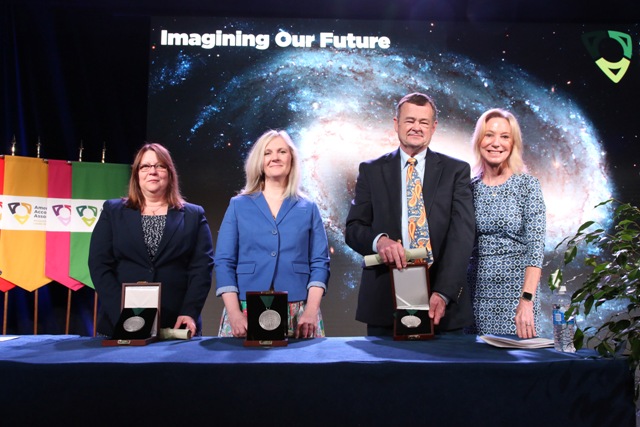
Cathy Scott, Two-Year College | Susan M. Curtis, Undergraduate | Edmund Outslay, Graduate (pictured with Convener Nancy Bagranoff)
Two-Year College
Cathy J. Scott - Navarro College
2016 Award Recipients
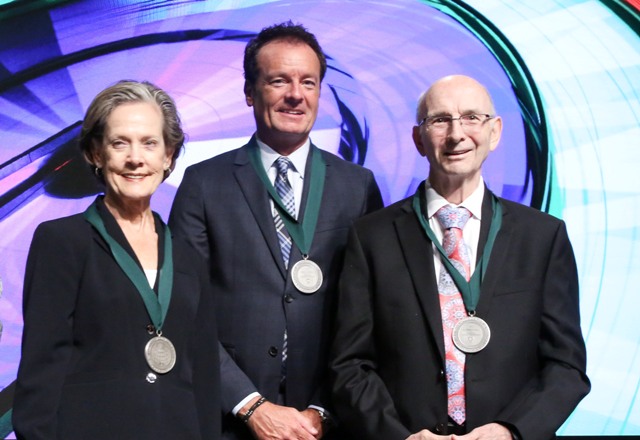
Billie M. Cunningham, Undergraduate | Markus Ahrens, Two-Year College | G. Peter Wilson, Graduate
Two-Year College
Markus Ahrens - St. Louis Community College
“I strive to provide an active engaging learning environment for my students.
Teamwork and group
activities are an integral part of my teaching philosophy…My goal is to
develop my students into
independent life-long learners. The flipped classroom techniques that I
incorporate into my
classroom, as well as, the utilization of technology to engage students,
results in my ability
to meet my student’s learning needs…My teaching techniques are ever evolving
and will continue
to be tailored to create an engaging and effective learning environment tied
closely to the
Pathway’s Vision Model.”
“ My ultimate goal is to focus on student learning and engagement, resulting
in my students
developing a skillset that will help make them successful in the classroom
and workplace.”
Undergraduate
Billie M. Cunningham - University of Missouri
“I love people! If through my teaching, I can make a small contribution to
even one person’s
success in life, the world will be a better place for that person, and
perhaps for some of the
people that person encounters…how I [will apply] this philosophy to my
teaching practice will
continue to evolve with each unique class of students, and as I learn more
about teaching and
learning. Additionally, the domain of my teaching has grown from helping my
students to also
helping my fellow educators and contributing to our profession.”
“You are my favorite professor of all time. You brought your passion for
teaching into every
class, and it truly enhanced my experience. I hope to get my PhD and teach
someday, and you are
a professor I can only hope to emulate. Thanks for always caring.” …A
student
Graduate
G. Peter Wilson - Boston College
“I aim to help students and others: (i) develop robust conceptual frameworks
and apply them
throughout their careers to navigate complexity and uncertainty; (ii) build
relationship skills
that promote effective and rewarding interactions with others; and (iii)
gain a passion for
life-long learning and strategies to learn on their own.…Students [can be
viewed] as an
orchestra and ourselves as caring composers and conductors. Working together
we make great
music. Moreover, this mindset helps them become highly effective managers in
a knowledge
economy.”
“I wouldn’t give a fig for the simplicity this side of complexity, but I’d
give my life for
simplicity on the far side of complexity.” ….Oliver Wendell Holmes
2015 Award Recipients
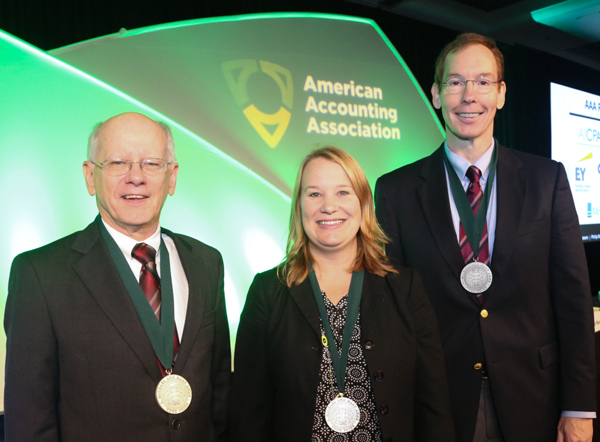
Joe Hoyle, Undergraduate | Tracie Miller-Nobles, Two-Year College | Mark Nelson, Graduate
Two-Year College
Tracie Miller-Nobles - Austin Community College
"I believe an outstanding teacher can best be described by the image of a triangle with a circle around it. The base represents knowledge and accounting pedagogy. One side represents communication and interaction with students-instructional innovation, student motivation, and the pursuit of learning opportunities for students. The other side balances the educator’s role and responsibilities to the larger profession and demonstrates to our students the value of belonging to the community of accountants. The circle surrounding the triangle is my classroom, with no one participant (educator or student) sitting in the center of the circle."
Undergraduate
Joe Hoyle - University of Richmond
"I divide my teaching into three distinct categories. First, I have an
obligation to be the best
teacher I can be for each student who enters my class…Second, I extend my
teaching to as many
students and accountants around the world…Third, I assist other teachers in
their quest to
become more successful…I stress the importance of making a 5% improvement
each year…If every
teacher improves at a 5% annual rate, the quality of teaching around our
world will increase
quickly and dramatically."
"He is active in the classroom, consistently bringing people into the
learning experience.
There’s really never a day that he isn’t upbeat and excited to be in the
classroom. There’s a
lot that can be learned from him." …A student
Graduate
Mark W. Nelson - Cornell University
"My teaching metaphor is that I’m a personal trainer. My students hire me
because of my
expertise, so they aren’t in charge. Rather, they need to follow my program
of somewhat painful
exercises in order to get stronger and achieve their objectives. Yes, they
will sweat and often
be sore the next day, but it will all be worth it in the end, and I will
make it as fun as
possible along the way."
"Faculty can be effective teachers while also being effective at other
important dimensions of
their jobs, including maintaining an active research agenda and providing
service to their
school, the profession, and the AAA."